
Phoenix can fool people. The air feels dry, the sky stays clear for weeks, and then monsoon season rolls in and every weak spot in the house starts to show. A small roof leak, a sweating pipe, a bathroom fan that vents nowhere useful, or an AC system that's overdue for service can turn a desert home into a mold problem fast. The smartest mold prevention tips are not glamorous, they're the boring habits that keep moisture from hanging around long enough to matter.
That's the right mindset for Phoenix homeowners. You don't need panic, you need a routine that fits the heat, the monsoon spikes, and the way homes work here. The EPA says wet or damp materials dried within 24 to 48 hours won't develop mold in most cases, and the CDC gives the same 24 to 48 hour window after a flood, so speed matters more than almost anything else in mold control. The rest of the job is about keeping indoor humidity in the safe range, fixing leaks quickly, and making sure ventilation helps instead of hurting.
1. Control Indoor Humidity Levels
In Phoenix, humidity control is usually easy until it isn't. Most of the year, the desert air helps, but monsoon season, a leaking appliance, or a bathroom with poor exhaust can push moisture into the range mold likes. The EPA recommends keeping indoor relative humidity below 60%, ideally between 30% and 50%, and the CDC recommends keeping humidity at 50% or lower all day long, which gives homeowners a real target instead of guesswork. EPA guidance on mold, moisture, and home humidity
A smart thermostat can help a lot here because it keeps the AC working as a moisture remover, not just a temperature setter. I've seen Phoenix homes stay comfortable while still drifting into a bad moisture pattern because the occupants assumed cool air meant dry air. That's not always true during monsoon season, especially if the system short-cycles or the home has rooms that stay closed up.
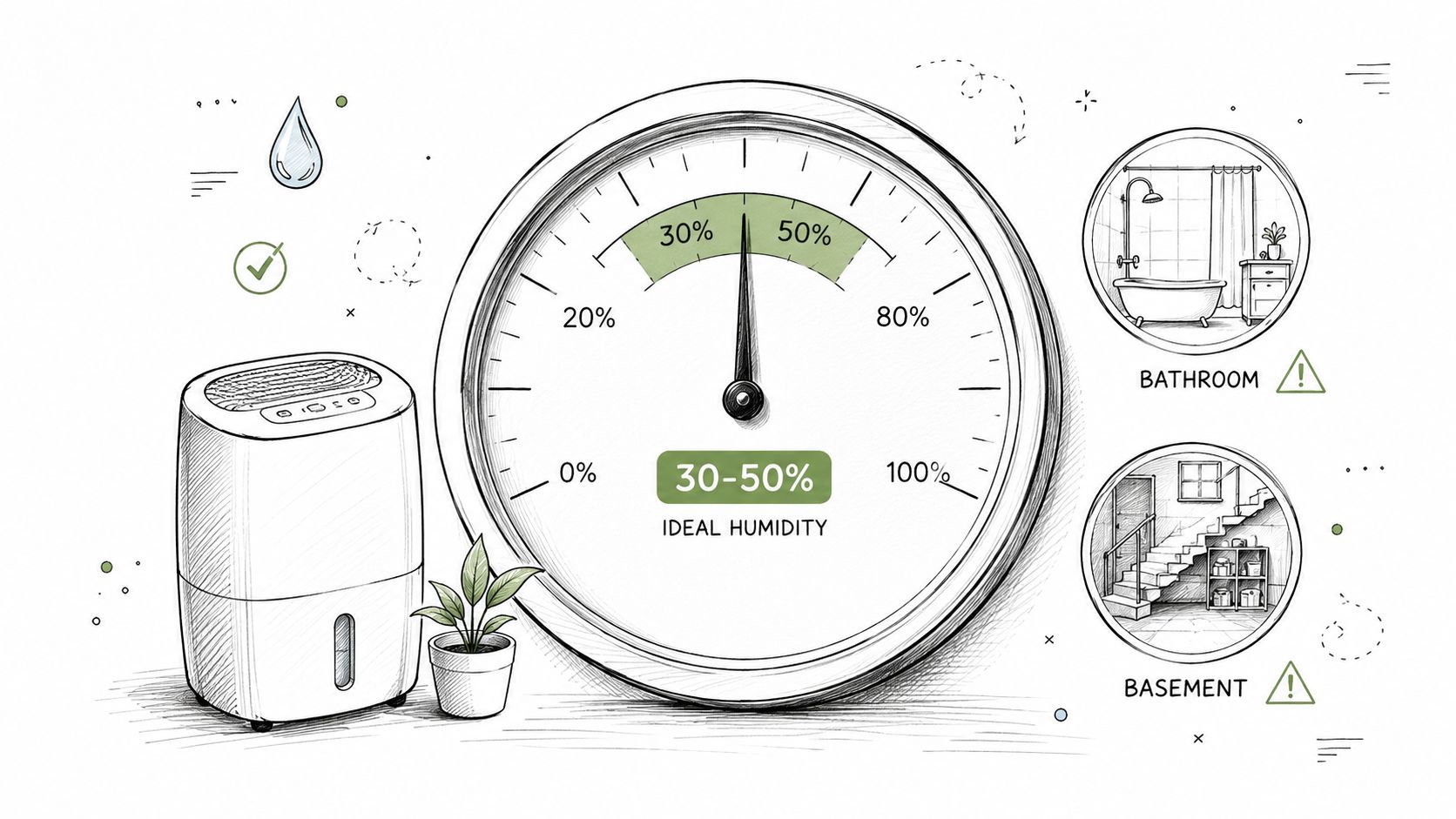
Practical rule: If a room feels clammy, looks foggy around windows, or smells stale, check the moisture level before you assume the AC is doing its job.
A few habits make this manageable:
- Place hygrometers where problems start. Bathrooms, laundry rooms, closets, and any room near a past leak tell you more than a hallway reading.
- Run exhaust fans after moisture-producing tasks. Use bathroom and kitchen fans during use and for 20 to 30 minutes after showers or cooking.
- Keep the AC running during monsoon humidity spikes. It helps pull moisture out of the air when the outdoor air gets heavy.
- Use a dehumidifier when a space stays damp. Whole-home systems make sense for chronic moisture problems, while portable units can help specific rooms.
- Stay on top of HVAC service. If the system can't move air properly, humidity control drops with it.
If you're trying to interpret what a meter reading means, this moisture meter guide is a useful reference for spotting trouble before mold becomes visible.
2. Improve Ventilation and Air Circulation
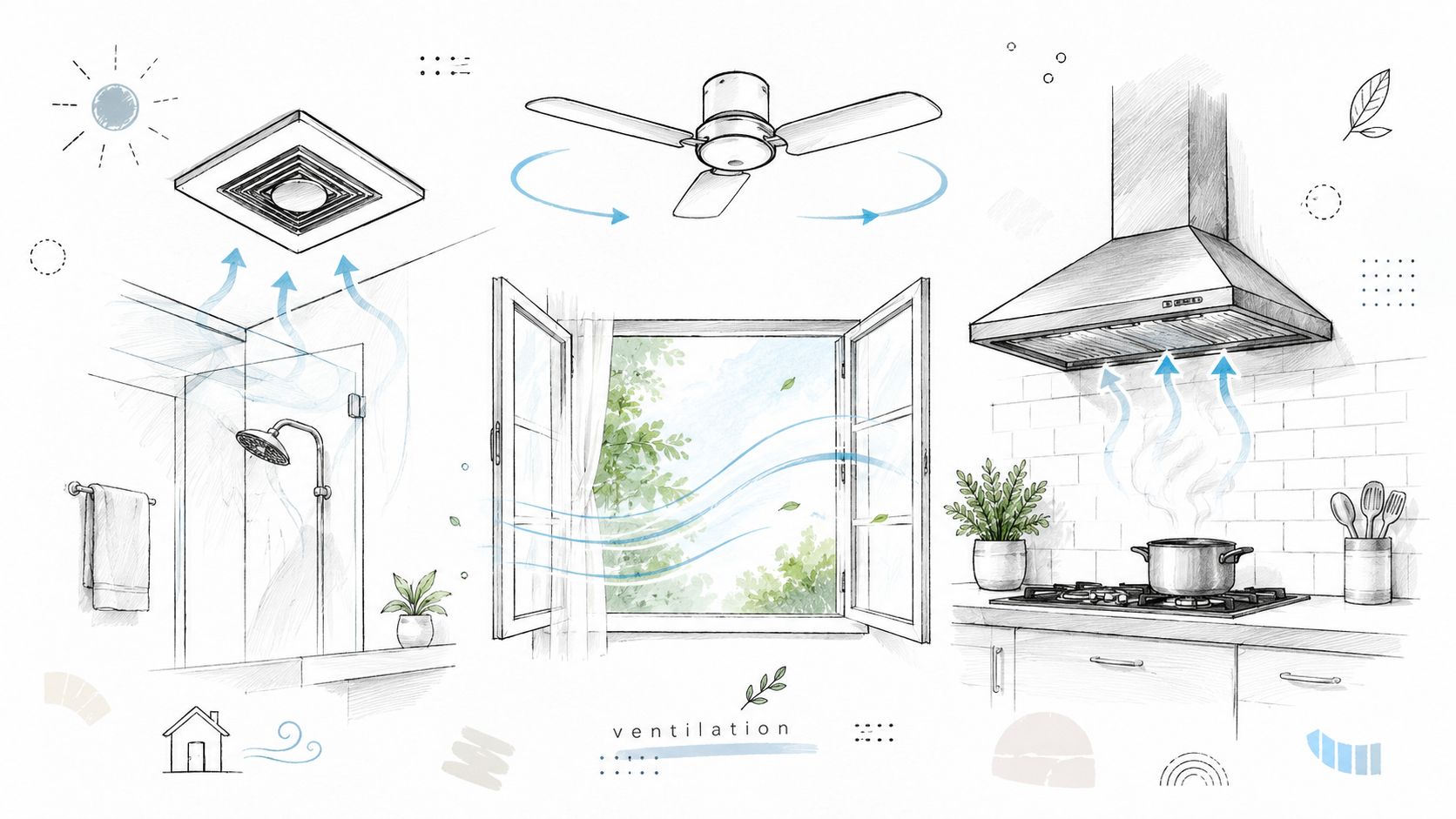
In Phoenix, air movement only helps if it carries moisture out of the house instead of pushing it into corners, attics, or wall cavities. That distinction matters during monsoon season, when outdoor air can feel heavy enough to raise indoor humidity instead of lowering it. Opening windows on a cool morning can still make sense, but the same habit can work against you once the air outside turns warm and damp.
The University of Georgia and the EPA both support ventilation as part of mold prevention, while Health Canada stresses that bathroom fans must vent to the outside and that humidity should stay between 30% and 50%. The Bloomfield Township brochure makes the tradeoff clear, increase ventilation if outdoor air is cold and dry, or dehumidify if outdoor air is warm and humid. That guidance fits the Valley well because July humidity and January air do not behave the same way. UGA mold prevention guidance
Poor airflow creates stagnant pockets behind furniture, inside closets, and along exterior walls. I see it in homes where the AC is running, but the doors stay shut, the curtains stay closed, and one damp surface never gets a chance to dry. A fan can move air across a room, but if a leak, condensation issue, or wet material is still there, circulation alone will not solve it.
Practical rule: Ventilation helps when it removes moisture. If it brings in wetter air, switch to dehumidification and cooling instead.
A Phoenix-ready setup usually includes:
- Fans that vent outdoors. Bathroom and kitchen fans should not dump into an attic or crawlspace.
- Ceiling fans for circulation. They do not dry the house by themselves, but they help air move across surfaces.
- Clean vents and ducts. Dust and debris restrict airflow and make the system less effective.
- Window fans only at the right time. Early mornings can work better than late afternoons when the outdoor air loads up.
- Care around closets and furniture. Keep items away from exterior walls so air can move behind them.
- Bug screens that do not block airflow. If screens are torn or clogged, get them repaired, and fix bug screens so you can keep windows open without inviting pests inside.
A simple maintenance habit can make a real difference here. If the air can move, surfaces dry faster, and that cuts mold risk. When airflow is weak, moisture lingers, and Phoenix heat only bakes it into the problem instead of clearing it out.
If vents still seem to underperform after basic cleaning, have the system checked for blocked returns, bad fan discharge, or hidden moisture sources. For a persistent issue that points to a leak or intrusion point, leak detection services can help find the source before it turns into a larger cleanup.
3. Fix Leaks and Water Intrusion Points Immediately
A leak in Phoenix is never just a plumbing issue. It starts a countdown the moment water gets into drywall, insulation, cabinets, or framing, and those materials need to dry fast. The EPA mold moisture guide says wet materials dried within 24 to 48 hours will not grow mold in most cases, and the CDC gives the same 24 to 48 hour recovery window after flooding. That is why the first response matters more than how small the leak looks.
Roof leaks before monsoon season, slow drips under sinks, and seepage around windows all create the same basic problem, hidden moisture. I have seen homeowners ignore a small stain because it was not actively dripping, then find that the wall cavity stayed damp long enough to become a much bigger cleanup job. That delay turns a repair into a mold project, and in Phoenix heat it can happen faster than people expect.
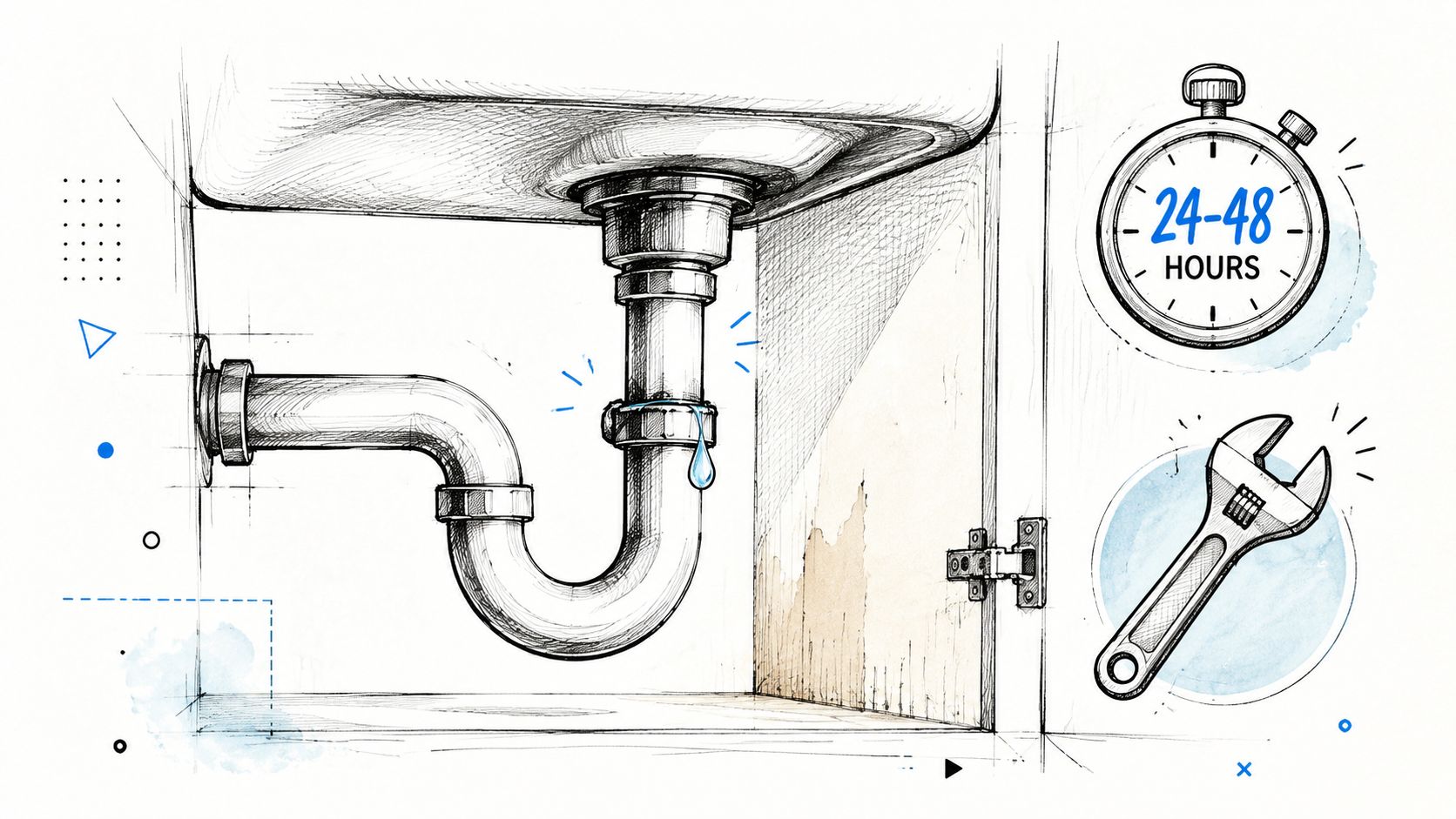
The best leak response is direct. Stop the water, dry the area, and find the entry point before the next storm or AC cycle adds more moisture.
- Inspect before monsoon season. Roof flashing, window seals, and plumbing joints deserve a yearly look.
- Watch your water bill. An unexplained increase can point to a hidden leak.
- Check under sinks and around water heaters. Small drips often start there.
- Document water intrusion fast. Photos help you track the damage and the timeline.
- Call for drying within 24 hours when possible. The faster the moisture is removed, the better your odds of avoiding mold.
- Keep gutters and downspouts clear. Water should leave the structure, not collect beside it.
If the source is not obvious, use targeted leak detection services instead of guessing. Hidden leaks behind walls or under floors usually leave better clues for a trained technician than for a homeowner with a flashlight.
For roof entry points and winter-style ice backup issues that can still show up in roof assemblies, the guide to ice dam removal is worth reviewing. The climate in Phoenix is different, but the repair logic is the same, keep water out of the structure and do not leave damp material in place.
4. Ensure Proper Drainage Around Your Property Foundation
A lot of Phoenix mold problems start outside the house, not inside it. When water pools near the foundation, the soil stays damp, moisture can work toward the structure, and crawlspace or slab-edge problems become more likely after storms. The EPA chapter on moisture control makes the same point, keep water away from the building shell, because mold control starts at the ground line. EPA mold course chapter on moisture control
Phoenix monsoon season makes weak drainage show itself fast. A yard that sheds water just fine in spring can collect runoff in August if downspouts end too close to the house, grading dips toward the slab, or gutters clog with debris before a storm rolls through. The damage often shows up later as damp baseboards, a stale closet, or staining along a lower wall.
The fix is usually mechanical, not cosmetic. Move water away from the house, keep it moving, and do not let it sit.
- Slope the ground away from the foundation. Water needs a path out, not back toward the slab.
- Clean gutters and downspouts regularly. Do it before monsoon season, while you still have time to correct trouble spots.
- Extend downspouts away from the house. Short runoff paths drop water where it can soak back in.
- Use sump pumps where needed. Battery backup matters when storms cut power.
- Address chronic pooling with drainage improvements. Learn more about effective perimeter drain systems guide solutions for foundation moisture control when surface runoff keeps coming back.
- Fix low spots in the yard. Even small depressions can trap water beside the structure.
If foundation moisture keeps coming back, this water-damage-to-foundation resource helps you connect the symptoms to the source before the next storm does more damage.
5. Insulate Cold Water Pipes and Reduce Condensation
Condensation can sneak up on Phoenix homeowners because the city's dry reputation hides the seasonal reality. During monsoon humidity, and in air-conditioned spaces where cold pipes run through warmer air, pipes can “sweat” and drip onto concrete, framing, or stored items. That drip is slow, but over time it creates exactly the kind of damp surface mold needs.
The fix is basic: keep the pipe surface from dropping below the dew point. Insulation helps by reducing temperature swings on the pipe and limiting the moisture that forms on it. In practice, that means treating basements, crawlspaces, mechanical rooms, and bathrooms like moisture-risk zones even if the home feels dry most of the year.
Dry air is not the same as dry materials. A pipe can still create condensation even when the house seems comfortable.
A solid pipe-insulation routine looks like this:
- Wrap all cold water lines in risky areas. Basements, crawlspaces, and bathrooms deserve attention first.
- Avoid gaps. Exposed sections can still sweat and drip.
- Check the insulation during monsoon season. If you see moisture, something is still off.
- Pair insulation with airflow. Moving air helps dry the space if condensation starts.
- Pay attention to mechanical rooms. These spots can stay cooler and damper than the rest of the home.
Phoenix homes often don't need pipe insulation everywhere, but the places that do need it are usually the places most likely to hide mold later. That makes the job worth doing before a problem starts.
6. Clean and Maintain HVAC Systems and Air Filters
The HVAC system is your house's moisture manager, air mover, and dust collector all at once. If the filters are dirty or the coils are neglected, airflow drops, humidity control gets weaker, and the system can spread spores instead of helping prevent them. That's why HVAC maintenance is not optional in a climate like Phoenix, where the system runs hard for months and then gets hit again during humid weather.
The EPA recommends regular HVAC inspection and maintenance, including drip pan upkeep, and it also notes the importance of keeping buildings clean and dry. The NAHB adds a more specific standard for tightly built homes, energy recovery ventilation should be used when homes have less than 0.35 fresh air changes per hour, and bathroom fans, kitchen fans, and clothes dryers should vent outside the building envelope. NAHB concrete home ventilation brief
I've seen Phoenix properties discover mold on cooling coils during routine maintenance. That's frustrating, but it's also the point of maintenance, catch the issue before the ductwork carries it into every room. In commercial spaces, especially, dirty systems often show up first as odor complaints or inconsistent comfort, not a dramatic leak.
A practical maintenance routine includes:
- Change filters on schedule. Replace them every 1 to 3 months depending on use and air quality.
- Book annual service before monsoon season. That gives the system a chance to handle humidity spikes.
- Clean return vents and registers. Dust buildup restricts movement and recirculates debris.
- Watch for odors or visible dust in ducts. Those are early warning signs, not minor annoyances.
- Check humidity output seasonally. The same system may behave differently in summer than in winter.
- Use HEPA filtration when allergies or mold concerns are active. Better filtration helps limit what gets distributed through the house.
If you want a broader view of indoor air concerns, air quality testing information can help you understand when HVAC problems are part of a bigger moisture issue.
7. Use Mold-Resistant Materials in High-Moisture Areas
Material choice won't solve a leak, but it can buy you margin. In bathrooms, kitchens, laundry areas, basements, and crawlspaces, mold-resistant materials make it harder for moisture to turn into a lasting problem. That matters in Phoenix because the home may stay dry most of the year, then face a sharp moisture swing during monsoon season or after a hidden plumbing failure.
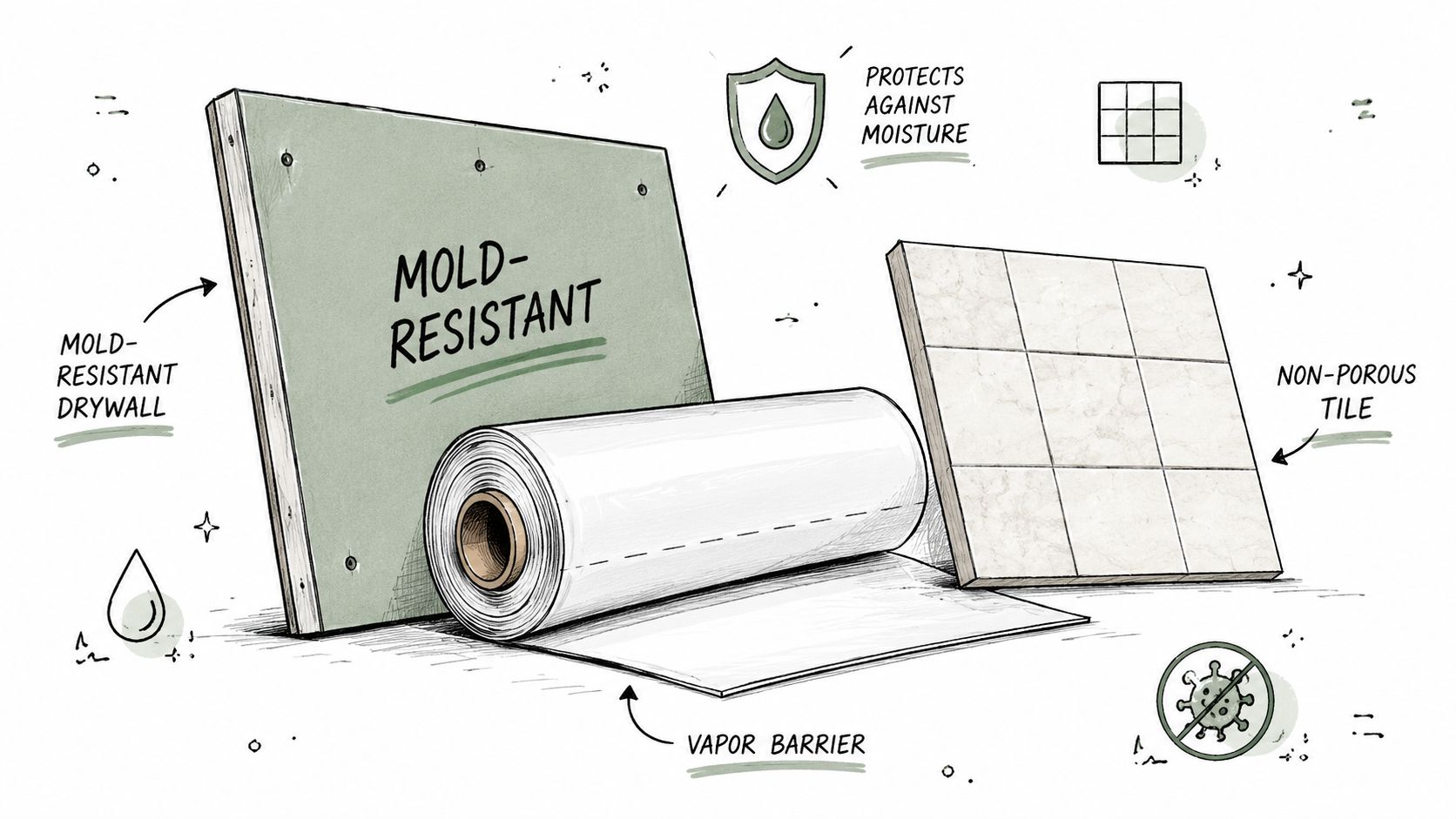
The best use of these materials is preventive, not cosmetic. Mold-resistant drywall, vapor barriers, non-porous flooring, and mold-resistant insulation don't replace drying and ventilation, but they do reduce how quickly a damp area becomes a cleanup job. That's especially useful in remodels where you have a chance to improve weak points before they fail again.
A few places deserve priority:
- Bathrooms. Use moisture-resistant drywall and tile where water exposure is predictable.
- Basements and crawlspaces. Vapor barriers help separate the structure from damp soil.
- Kitchens. Non-porous finishes hold up better near sinks and appliances.
- Attics and mechanical spaces. Mold-resistant insulation helps in spots that see temperature swings.
- Laundry areas. These rooms often combine heat, humidity, and drainage risk.
The key is installation quality. Poorly fitted materials leave gaps, and gaps collect moisture. A licensed contractor who understands high-moisture building details is worth the extra attention because material choice only works when the assembly is tight.
8. Monitor and Address Indoor Moisture Sources
Most mold problems start with ordinary life. Showers, cooking, laundry, indoor plants, humidifiers, and even some combustion appliances all add moisture to the air. In a Phoenix home, that usually isn't a problem on its own, but once you combine daily moisture with monsoon humidity, a slow leak, or poor ventilation, the balance changes fast.
Bathroom habits are one of the easiest places to tighten up. Keep the fan on during showers and for 20 to 30 minutes after, close the bathroom door while bathing, and wipe down condensation on windows or pipes before it sits. That small routine matters more than people think because repeated wetting on the same surface is where mold gets comfortable.
Practical rule: If an activity makes steam, moisture, or condensation, treat it like a cleanup task, not just a comfort issue.
This is also where dryer venting deserves special attention. Clothes dryers should vent completely to the outside. Never route them into a crawlspace, attic, or enclosed interior area, because that just dumps moisture where the house can't use it. The same goes for cooking, range hoods should move air out, not just recirculate it.
Keep an eye on:
- Cooking steam. Cover pots and run the range hood.
- Laundry moisture. Make sure dryer vents are clear and properly terminated.
- Indoor plants. Water them over a sink or outside when possible.
- Humidifiers. Use them sparingly and never leave them running unattended.
- Firewood. Store it outside, not in a damp indoor corner.
- Condensation on windows and pipes. Wipe it immediately so it doesn't soak surrounding materials.
If you want a practical way to inspect the house with a mold-prevention mindset, this mold inspection checklist is a good starting point for spotting moisture sources before they become visible damage.
8-Point Mold Prevention Comparison
| Strategy | Implementation Complexity 🔄 | Resource Requirements ⚡ | Expected Outcomes 📊 / Effectiveness ⭐ | Ideal Use Cases 💡 | Key Advantages ⭐ |
|---|---|---|---|---|---|
| Control Indoor Humidity Levels | Medium, ongoing monitoring and HVAC adjustments | Medium, hygrometers, dehumidifiers, possible HVAC upgrades | High prevention; stabilizes moisture (⭐⭐⭐⭐) 📊 Reduces mold risk & allergens | Whole-home, bathrooms, basements, monsoon season | Proactive prevention; improves air quality; energy savings with AC |
| Improve Ventilation and Air Circulation | Low–Medium, install/maintain fans and vents | Low–Medium, exhaust fans, range hoods, ductwork | High impact on moisture removal (⭐⭐⭐⭐) 📊 Reduces condensation and odors | Kitchens, bathrooms, attics, crawlspaces, new/existing homes | Simple to implement; improves comfort and IAQ; complements humidity control |
| Fix Leaks and Water Intrusion Points Immediately | Medium–High, detection and repair; may require openings | Medium–High, plumbing/roof repairs, professional inspection | Very high immediate prevention (⭐⭐⭐⭐⭐) 📊 Stops mold before establishment | Burst pipes, roof/window leaks, post-storm/monsoon response | Prevents structural damage; lowers remediation costs; protects health |
| Ensure Proper Drainage Around Your Property Foundation | High, grading, drainage systems and possible construction | High, landscaping, gutters, downspout extensions, French drains, sump pumps | High long-term prevention (⭐⭐⭐⭐) 📊 Reduces foundation moisture and flooding risk | Low-lying lots, clay soils, monsoon-prone areas, properties with chronic dampness | Protects foundation integrity; prevents chronic moisture and flood damage |
| Insulate Cold Water Pipes and Reduce Condensation | Low, straightforward insulation installation | Low, foam or fiberglass insulation materials | Moderate localized prevention (⭐⭐⭐) 📊 Reduces pipe sweating and spot mold | Basements, crawlspaces, bathrooms, AC-cooled interiors | Inexpensive; improves energy efficiency; minimal maintenance |
| Clean and Maintain HVAC Systems and Air Filters | Medium, regular filter changes and professional servicing | Medium, replacement filters, service/cleaning costs | High system-wide benefit (⭐⭐⭐⭐) 📊 Better IAQ, humidity control, and reduced spore spread | Homes with forced-air systems; older systems; high-pollen seasons | Improves efficiency; prevents mold in ducts; extends HVAC lifespan |
| Use Mold-Resistant Materials in High-Moisture Areas | Medium, correct product selection and professional installation | Medium–High, higher-cost materials and qualified contractors | Moderate–High protective barrier (⭐⭐⭐) 📊 Limits mold establishment when moisture occurs | New builds and renovations: bathrooms, basements, kitchens, crawlspaces | Adds passive protection; reduces future remediation needs |
| Monitor and Address Indoor Moisture Sources | Low, behavior changes and routine checks | Low, exhaust use, simple supplies, hygrometers | Moderate prevention (⭐⭐⭐) 📊 Immediate reduction in moisture spikes | Daily living areas: kitchens, bathrooms, laundry rooms, indoor plants | Low-cost; immediate impact; increases occupant awareness; complements other measures |
When Prevention Isn't Enough, Know When to Call a Pro
These mold prevention tips will reduce your risk a lot, but they can't undo hidden damage that's already sitting inside walls, under flooring, or in an HVAC component. If you see mold, smell a persistent musty odor, or deal with a major water event, time matters. The EPA's 24 to 48 hour drying window and the CDC's same guidance after flooding are good reminders that once materials stay wet too long, the job stops being simple maintenance and becomes remediation. EPA mold moisture guidance
Phoenix homes have a few extra pressure points, especially during monsoon season. A leak can start as a ceiling stain, a bathroom fan can fail without being obvious, and a cooling system can hide moisture issues until the air turns damp enough to trigger condensation. When that happens, a certified restoration company can identify the source, dry the structure, and decide what needs to come out and what can be saved.
Restore Heroes fits that kind of situation because it works on water damage, mold removal, and moisture detection in the Phoenix area. A free onsite inspection can help you sort out whether you're dealing with surface mold, hidden water intrusion, or a larger drying problem that needs immediate attention. Don't wait for a small musty spot to become a bigger structural issue.
If you're dealing with leaks, humidity, or a mold concern in Phoenix, visit Restore Heroes for a free onsite inspection and a clear plan to stop moisture damage before it spreads. Their team handles water extraction, drying, and mold remediation for homes and commercial properties across the metro area. If you want a local crew that understands monsoon-season moisture and the repair work it leaves behind, start there.