
A damp ceiling spot. A warped baseboard near the hallway. A small puddle by the air handler that wasn't there yesterday. That's usually how moisture damage repair starts in Phoenix. Not with a dramatic flood, but with something easy to dismiss for a day or two.
That delay is where trouble starts. Water moves farther than most homeowners expect, especially in slab-built homes, around window openings after monsoon rain, and inside wall cavities fed by slow plumbing or condensate leaks. By the time the stain shows up, the wet area is often larger than the visible damage.
If you're dealing with that right now, the stress is understandable. This isn't a rare homeowner problem. The average household claim for water damage and freezing exceeds $12,500, and water damage or freezing accounts for about 22.6% of all home insurance claims, second only to wind or hail, according to ConsumerAffairs water damage insurance claim statistics. Moisture damage repair is one of the most common and expensive repair categories a homeowner faces.
That Sinking Feeling Discovering Water Damage
In Phoenix, the call often comes after a very normal day. The AC has been running hard. A monsoon blew through overnight. Someone notices paint bubbling near a window, or the floor feels slightly lifted near a bathroom vanity. Sometimes it's a soft spot near a refrigerator line. Sometimes it's a musty smell that only shows up when the system kicks on.
A common initial inquiry concerns whether it's a cleanup job or a real repair project. That's the right question. Moisture damage repair isn't just about removing water you can see. It's about finding where it traveled, how long materials stayed wet, and whether the structure can be dried in place or needs controlled demolition.
Why Phoenix homes get missed
Dry outdoor air gives people a false sense of security. They assume things will dry on their own. Sometimes the surface does. The cavity behind it doesn't.
Phoenix homes also have a few recurring trouble spots:
- Monsoon-driven intrusion: Wind pushes rain into weak window seals, roof penetrations, patio door tracks, and stucco cracks.
- Slab leaks: Water can migrate under flooring and show up far from the break.
- HVAC condensate problems: A blocked drain line or secondary drain issue can wet framing, drywall, and insulation around the air handler.
- Appliance and supply line failures: Dishwasher, refrigerator, and washing machine leaks often start small and stay hidden.
Practical rule: If the material changed shape, changed color, or developed odor, assume moisture moved beyond the obvious spot until meter testing proves otherwise.
That's the mindset professionals use. Calm first. Then inspection. Then a drying plan based on evidence, not guesswork.
Spotting Moisture Damage in Your Phoenix Home
A good inspection starts with your senses. You don't need to diagnose the whole loss yourself, but you should know what signs matter and what they often point to in an Arizona house.
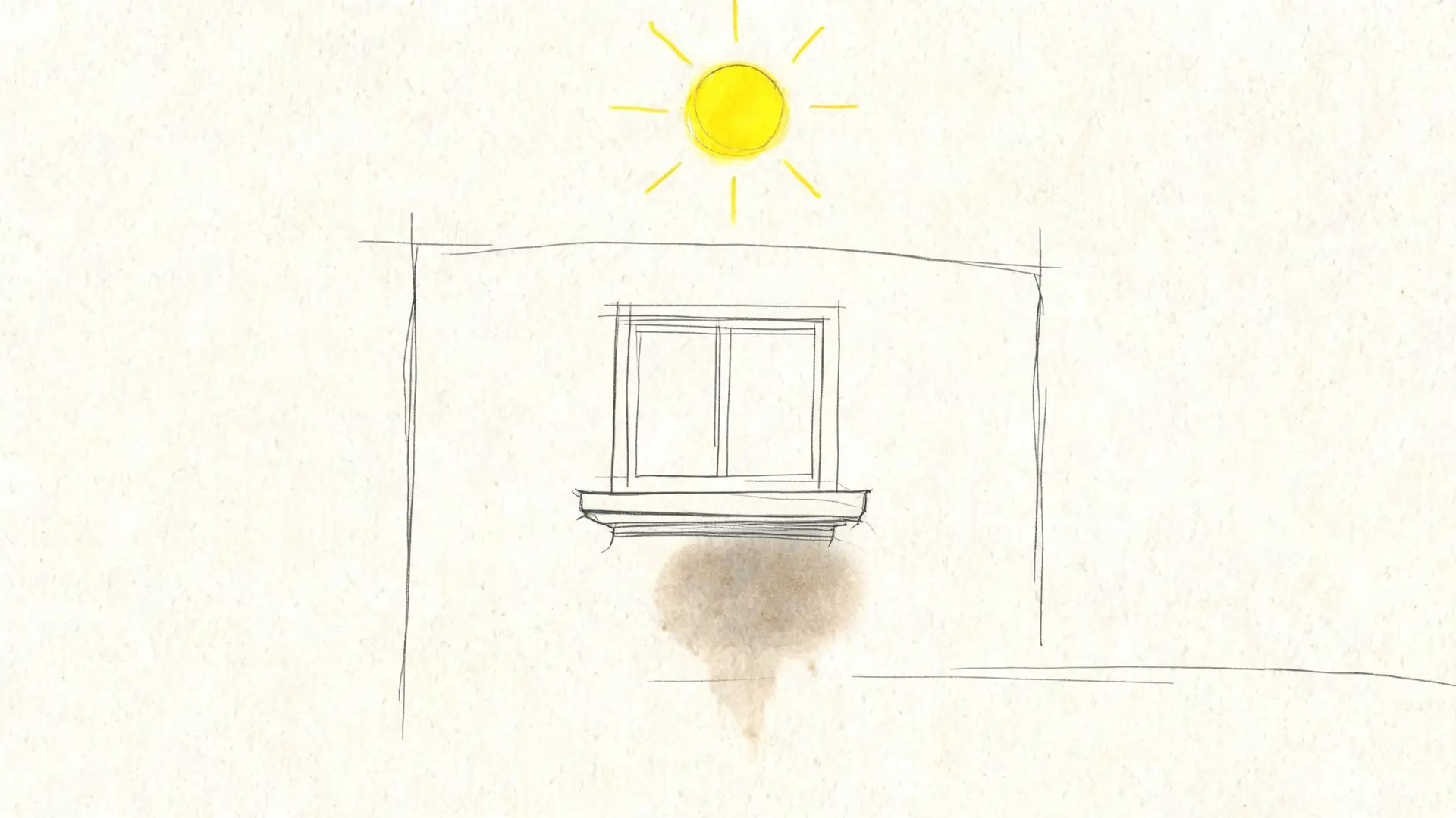
What you can see
Start with the visible clues. Look slowly, especially where two materials meet.
- Ceiling staining: Brown or yellow discoloration can point to roof intrusion, an upstairs plumbing issue, or condensate overflow. If you're seeing that overhead, this guide to ceiling water damage signs can help you identify what's urgent.
- Peeling paint or bubbling texture: Common near windows after monsoon events, and around bathrooms where humid air or hidden leaks collect.
- Swollen baseboards and trim: A classic sign of water wicking from the floor up. In Phoenix, that often raises concern for slab moisture migration or slow supply leaks inside nearby walls.
- Floor changes: Cupped wood, lifted laminate edges, loose vinyl, or cracked grout can all signal moisture beneath the surface.
- Cabinet toe-kick damage: Kitchen and bath cabinets often show early swelling at the bottom edge long before the wall behind them looks wet.
What you can feel and smell
Touch matters. So does odor.
If drywall feels soft, crumbly, or unusually cool compared with nearby areas, it may still be wet. If a floor feels uneven or slightly spongy, moisture may have affected the subfloor or underlayment. A musty smell from a closet, bathroom wall, or AC vent often points to hidden moisture that hasn't fully dried.
Musty odor is not a cosmetic issue. It usually means moisture remained long enough for organic material to stay damp.
Where Phoenix homes commonly hide moisture
Local construction patterns matter. In this market, I'd pay close attention to these areas:
Around windows and exterior doors
Monsoon rain finds failed caulk, worn sealant, and drainage problems fast. The interior drywall corner below a window is often where the damage first becomes visible.
At the air handler and condensate line
In cooling season, condensate issues can create a steady hidden water source. Homeowners sometimes mistake that damage for a roof leak because the stain appears on a ceiling or interior partition.
Along slab-level flooring transitions
If one room's flooring starts warping near a wall and there's no obvious top-down leak, a slab-related issue moves higher on the list.
Under sinks and behind appliances
Slow leaks here are deceptive. They may only be noticed when the cabinet floor swells or the baseboard in the next room starts separating.
When you spot one sign, don't assume the damage ends there. Moisture rarely respects room boundaries.
The Professional Moisture Damage Repair Process
A proper moisture damage job follows a set order because each decision affects the next one. In Phoenix homes, that matters even more. Monsoon intrusion, slow slab leaks, and AC condensate problems often leave moisture in places that look minor on the surface but spread farther than homeowners expect.
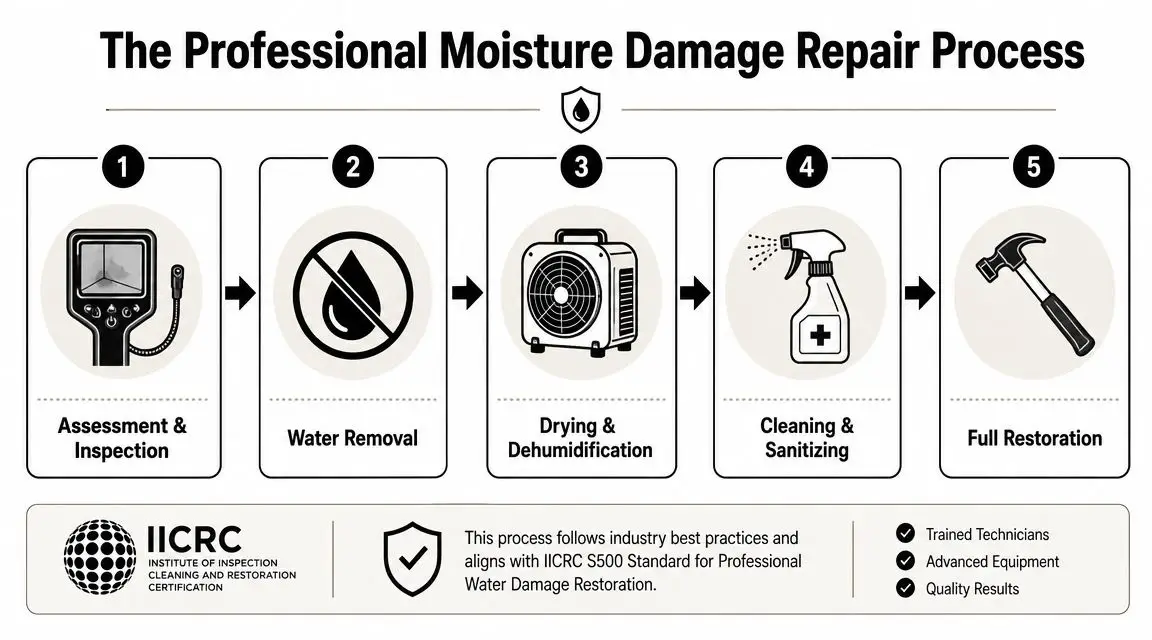
Assessment and inspection
The first step is defining the true scope of damage. Technicians look for the moisture source, check how far water migrated, and test materials with moisture meters, hygrometers, and thermal imaging when conditions support it. Staining helps point the way, but readings decide the drying plan.
At this stage, the crew determines what can be dried in place and what needs to be opened for access. That call is especially important in Phoenix properties with tile over slab, tight wall cavities, engineered flooring, and low-slope roof assemblies where moisture can travel sideways before it shows itself.
If you want a clearer picture of that first site visit, this overview of what a water restoration company does for your home explains the responsibilities well.
Mitigation and water removal
Drying starts with extraction. Any standing or trapped water has to be removed from flooring, pad, cabinets, wall cavities, and other affected areas before evaporation can work efficiently.
The timing matters. A fresh appliance leak is one thing. A condensate overflow that has been feeding the same wall for weeks is another. In Phoenix, I often see homeowners focus on the stain they noticed first, while the bigger issue sits under flooring or behind the air handler closet.
Once water moves beyond the visible surface, the job becomes a moisture-control problem, not just a cleanup job.
Drying and dehumidification
After extraction, the structure is dried under controlled conditions. Air movers increase evaporation from wet materials, and dehumidifiers remove that moisture from the air so the structure can keep releasing it. The equipment count and placement should match the wet materials, room layout, and containment setup, not guesswork.
This part gets underestimated all the time. A wall can feel dry to the touch and still test wet inside. That is why technicians keep checking moisture content during the job instead of relying on appearance alone.
A proper contractor also needs to carry the right protections for demolition, drying, and reconstruction work. Homeowners comparing companies can review these specialty contractor insurance requirements to understand the kinds of coverage responsible restoration firms typically maintain.
Cleaning and controlled demolition
Some materials recover well after drying. Others do not. Drywall, insulation, particleboard cabinets, and certain underlayments may need selective removal if they have broken down, stayed wet too long, or trapped odor.
Good demolition is targeted. The goal is to open only what is necessary to dry and repair the structure correctly. Too much demo drives up rebuild cost. Too little leaves wet material behind, which is how homeowners end up paying twice for the same problem.
Restoration and rebuild
Once materials reach dry standard, repairs can begin. That usually includes drywall patching, trim replacement, texture and paint, flooring work, or rebuilding damaged cabinet sections.
Restore Heroes is one Phoenix-area company that handles both mitigation and reconstruction. That can reduce handoff problems that come up when one contractor dries the home and another comes in later to rebuild. What matters most is clear documentation, verified drying, and repair work that matches the original scope of damage.
Understanding Repair Timelines and Costs
A Phoenix homeowner with a monsoon leak in the ceiling wants drywall repaired fast. A homeowner with a slab leak under wood flooring wants the same thing. The timelines are rarely the same, because the water did not enter, spread, or dry the same way.
In this market, the cause matters more than homeowners expect. Monsoon intrusion can wet insulation, framing, and ceiling cavities above the visible stain. Slab leaks often push moisture under flooring and into baseboards before anything shows on the surface. HVAC condensate line failures are another common Arizona problem, especially when they drip slowly inside a wall or around an air handler closet and go unnoticed for days.
What changes the timeline
Drying time depends on how far the moisture traveled, what materials absorbed it, and how much access the crew needs to get the structure dry enough for repair. A small loss from a supply line in an exposed area can move quickly. Hidden moisture under glued-down flooring or inside lower wall cavities usually takes longer, even when the affected area looks minor.
Equipment sizing also affects the schedule. Dantherm explains in its water damage restoration sizing guide that drying capacity should be matched to the volume of the space and the moisture load, not guessed from the number of fans on site. That is one reason hardware-store air movers often fall short in Phoenix homes. Air movement without enough dehumidification can keep wet materials evaporating into humid indoor air and stretch the job.
A few factors usually drive the calendar more than anything else:
- Cause of loss: Clean supply-line water is simpler to address than repeated roof intrusion, a long-running condensate overflow, or a slab leak that spread beneath finishes.
- Material response: Drywall, insulation, engineered wood, cabinet particleboard, and carpet pad do not dry at the same rate or recover equally well.
- Access for repair: Removing baseboards, drilling drying holes, opening a chase, or detaching cabinets adds labor and can extend the rebuild phase.
- Finish matching: Texture blending, paint matching, flooring tie-ins, and cabinet repairs often take longer than the drying itself.
Homeowners usually remember the drying days. The repair calendar often gets decided by reconstruction details and material lead times.
What changes the cost
Cost follows the affected area, the material losses, and the amount of finish work needed to put the home back together. A limited condensate leak in a laundry room is one kind of bill. A slab leak that affects continuous flooring through multiple rooms is a different project because access, demolition, and matching become harder.
Insurance coverage and repair cost are related, but they are not the same question. A carrier may cover part of the loss depending on the source and policy language. The house still needs the right repair scope whether the claim is approved, limited, or denied.
Good records help. Before or after a claim, a practical guide to your house inventory can make it easier to document damaged contents, upgrades, and room conditions.
For a local breakdown of common pricing factors, this page on water damage repair cost in Phoenix gives homeowners a clearer picture of what tends to raise or lower the total.
DIY Repair vs Calling a Restoration Professional
There are times when a homeowner can handle the situation. There are also times when DIY turns a manageable water loss into hidden structural and odor problems. The hard part is knowing which situation you're in.
If the water is from a very small, fresh, known source and only affected a hard, non-porous surface, cleanup may be straightforward. Once water gets into drywall, insulation, cabinetry, flooring layers, or wall cavities, the risk changes.
DIY vs. Professional Moisture Damage Repair
| Factor | DIY Approach | Professional Service |
|---|---|---|
| Source identification | Usually limited to visible clues | Uses inspection tools and moisture mapping to track spread |
| Water removal | Towels, wet vac, household fans | Dedicated extraction and controlled mitigation methods |
| Hidden moisture | Easy to miss behind walls or under floors | Meter-based verification helps locate moisture beyond the stain |
| Drying control | Often adds airflow without enough dehumidification | Balances evaporation and dehumidification as a system |
| Material decisions | May keep materials that should be removed | Separates salvageable finishes from likely loss materials |
| Documentation | Photos may be incomplete | Job records usually include readings, photos, and drying progress |
| Safety | Limited ability to assess contamination or electrical risk | Better suited for complex or potentially hazardous losses |
| Best use case | Small, fresh, surface-only moisture issue | Hidden, widespread, recurring, or uncertain water intrusion |
When DIY is reasonable
A homeowner can often manage the issue if all of the following are true:
- The source is known and stopped: For example, a small appliance spill that didn't enter walls or flooring seams.
- The affected material is non-porous: Tile, metal, or sealed hard surfaces are less risky than drywall or insulation.
- The moisture is recent: Fresh water on the surface is very different from water that sat unnoticed.
- There's no odor or swelling: Once materials distort or smell musty, the job usually needs deeper inspection.
When you should call a pro
Call a restoration professional when the source is unclear, water may have been present for a while, materials have swelled, odor is present, or the loss involves ceilings, wall cavities, cabinets, or flooring layers. The same goes for recurring stains that seem to disappear and return.
A qualified water damage restoration contractor should be able to explain what's wet, how they know, what can stay, what needs removal, and how they'll verify drying.
If you can't confirm the extent with testing, you're making repair decisions blind.
That's the core DIY risk. Not the cleanup itself, but closing up wet materials because the surface looked better.
Preventing Moisture Damage in Your Arizona Property
Prevention in Phoenix is seasonal. The same house can face roof and window intrusion during monsoon season, then deal with condensate and line issues during long cooling months. A good maintenance routine targets both.
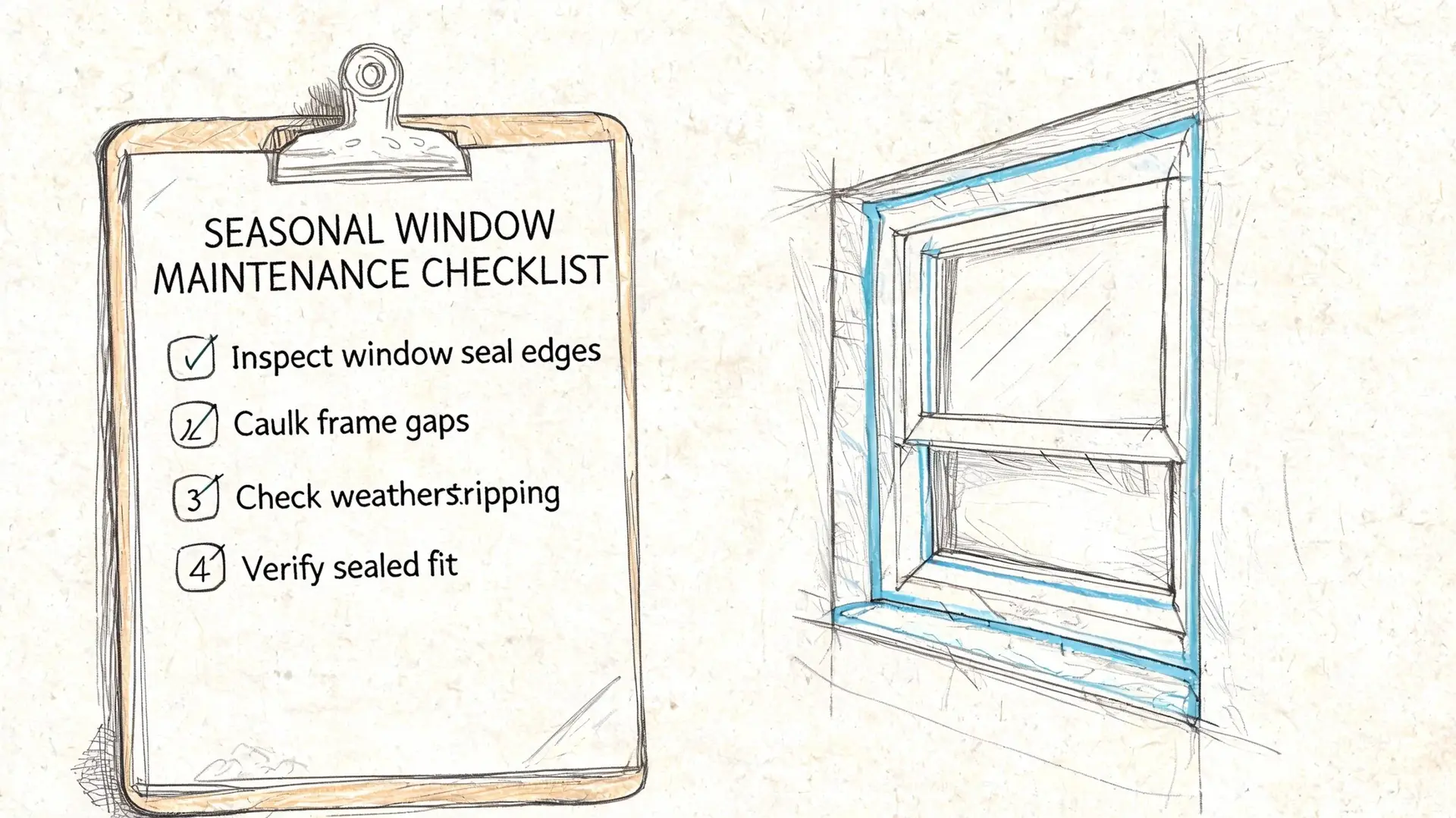
Before monsoon season
Walk the outside of the house slowly. Look at windows, door thresholds, roof penetrations, and transitions where stucco meets trim or flashing.
- Check exterior sealants: Failed caulk around windows and doors is a common rain entry point.
- Inspect roof details: Flat and low-slope sections need special attention if water tends to pond.
- Clear drainage paths: Patio scuppers, roof drains, and yard drainage should move water away from the structure.
- Watch grade and irrigation: Soil or decorative beds that hold water against the foundation can feed hidden moisture problems.
Before peak cooling season
Phoenix air conditioning systems create water by design. When that water doesn't drain correctly, the damage often starts subtly.
Focus on the condensate system
Look for signs of prior overflow near the air handler. Check the drain line discharge area, and don't ignore minor staining in the closet, garage, or attic platform where the unit sits.
Check nearby finishes
Base swelling, cabinet edge damage, and peeling paint around mechanical closets often signal chronic moisture, not a one-time event.
For homeowners who've already had a prior leak or musty smell, this guide to water and mold mitigation is a practical next read because prevention and early response go together.
Year-round habits that help
A few simple routines catch a lot of losses early:
- Open sink cabinets monthly: Look for staining, warped shelf panels, or supply line corrosion.
- Inspect appliance connections: Refrigerator, dishwasher, washing machine, and water heater areas deserve regular checks.
- Pay attention to flooring changes: If a plank edge lifts or grout starts cracking without impact damage, investigate moisture before replacing finishes.
- Follow odor changes: A new musty smell usually appears before major visible damage does.
Good prevention doesn't eliminate risk. It shortens the time between the first warning sign and the first smart decision.
Frequently Asked Questions About Moisture Repair
Homeowners usually still have a few pointed questions after the inspection and drying discussion. These are the ones that matter most.

Will insurance cover moisture damage repair
Sometimes yes, sometimes no. Coverage depends heavily on the cause of loss and your policy terms. The safest move is to document first, stop further damage if you can do so safely, and avoid throwing away materials or making finish repairs before the condition is recorded.
How do pros decide if a wall can be dried or needs replacement
They don't make that call by appearance alone. Professionals use moisture-meter readings, material type, and time elapsed, and they also account for the fact that hidden moisture can travel beyond the visible entry point and may not be obvious to an untrained eye, as explained in SERVPRO's overview of water intrusion repair. Porous materials like insulation are often poor candidates for saving once they've been thoroughly soaked.
Why does it still smell musty after things look dry
Because appearance isn't the same as dry standard. Odor can linger if moisture remains in cavities, under flooring, inside cabinets, or in materials that should have been removed. Sometimes the smell is from residue left behind. Sometimes it's from a section that never got proper drying access.
Do I need to move furniture and belongings out
Often, yes, at least temporarily. Contents need protection during demolition, drying, and rebuild. If you're deciding what can safely sit offsite during a repair, this Endless Storage guide for urban residents is a helpful reference for items that benefit from climate-controlled storage, especially during Arizona heat.
Can I just paint over a stain once the leak stops
Not until the material has been evaluated and confirmed dry. Paint covers discoloration. It does nothing for trapped moisture, damaged drywall core, or hidden odor.
If you're dealing with a leak, musty odor, stained ceiling, warped flooring, or suspected slab or condensate issue in the Phoenix area, Restore Heroes can inspect the damage, document the affected areas, and explain the next steps for moisture damage repair in plain language so you know what needs drying, what needs repair, and what can wait.