
If you’re asking how to clean smoke damage, the honest answer is that it takes a sequence, not a single product. Smoke carries fine particles, gases, and oily residue that move through the house, settle into porous surfaces, and stay suspended in indoor air. Scrubbing the darkest wall first usually smears soot and drives it deeper.
Why Smoke Damage Cleanup Follows an Order
Smoke particles are small enough to go wherever air goes, including behind walls, inside cabinets, and deep into sofa padding, as restoration specialists at Paul Davis explain. A surface can look clean while residue remains in ducts, carpet, insulation, and wall cavities.
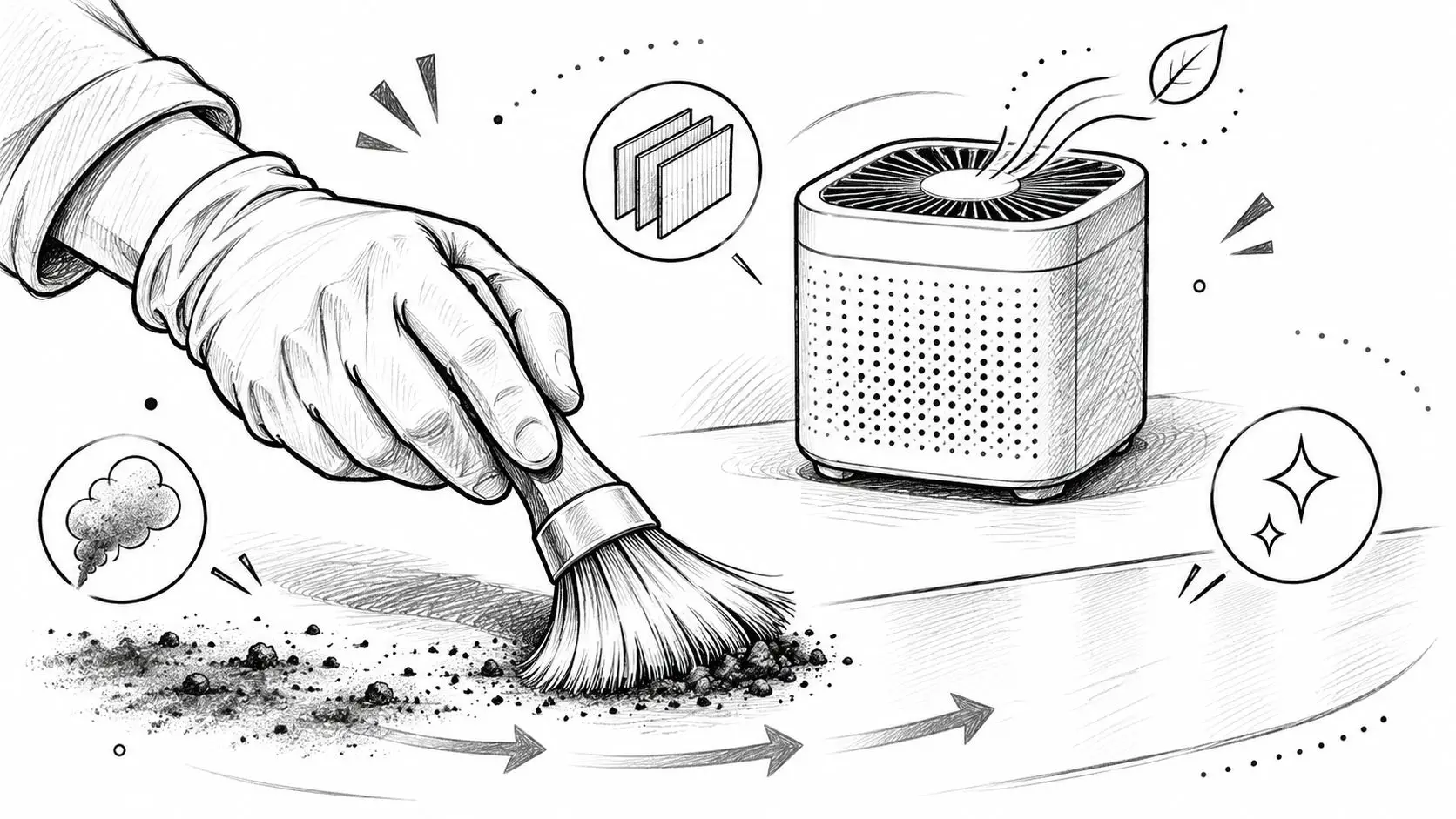
The order matters because each step protects the next one. Start with controlled ventilation and air filtration, then lift loose soot dry so you are not grinding it into paint or drywall. Work from cleaner rooms toward heavier damage, and treat odor at the source instead of chasing the smell.
Safe Order for Cleaning Smoke Damage
Use this sequence as a quick check before you touch finishes, fabrics, or the HVAC system.
| Action | Why It Comes First | Leave to a Pro When |
|---|---|---|
| Controlled ventilation and air filtration | Captures airborne particles before they resettle | HVAC components are coated |
| Dry removal of loose soot | Prevents smearing oily residue into finishes | Soot spans more than one room |
| Cleaning from light to heavy areas | Stops cross-contamination of clean rooms | Odor returns after wiping |
| Source-based odor treatment | Targets residue, not just the smell | Residue sits in ducts or insulation |
If the odor comes back after wiping, the residue is usually somewhere you cannot reach with household tools.
A clean-looking surface can still hide contamination in ducts, carpet, insulation, and wall cavities, which is why an IICRC-certified assessment matters before repairs begin.
Knowing When DIY Stops Working
Before choosing between DIY and professional cleaning, understand the key safety and technique considerations, including window care advice for Colorado Springs homeowners that shows why technique matters as much as effort.
Hidden contamination changes both the method and the scope. The stages below move from first-hour safety to professional restoration, so you can decide where careful cleanup ends and remediation should begin.
Hold off on scrubbing or hauling out furniture until the structure is steady and everyone has a safer path away from the affected rooms.
Protect People and the Property First
If the air burns your throat or eyes, move everyone to fresh air. Keep kids and pets clear of heavy soot, and stay out until emergency responders say re-entry is safe.
Give wide berth to rooms with collapsed debris, wet ash, or damaged electrical equipment. Before deciding whether remaining inside is reasonable, read about how fire smoke can affect your lungs.
- Photograph conditions first. Get wide shots of each room and close views of damaged belongings before anything is moved, if you can do it safely.
- Stop unnecessary air movement. Shut off accessible fans that might push soot into cleaner rooms.
- Separate belongings cautiously. Note what may be salvageable without tracking contaminated items through unaffected spaces.
After a kitchen fire, for instance, resist carrying sooty dining chairs into a clean bedroom. Leave them where they are, document the scene, and let the assessment guide sorting and transport.
A cleaner room is a boundary to protect, not proof that the home is safe.
Limit Spread Before Cleanup Begins
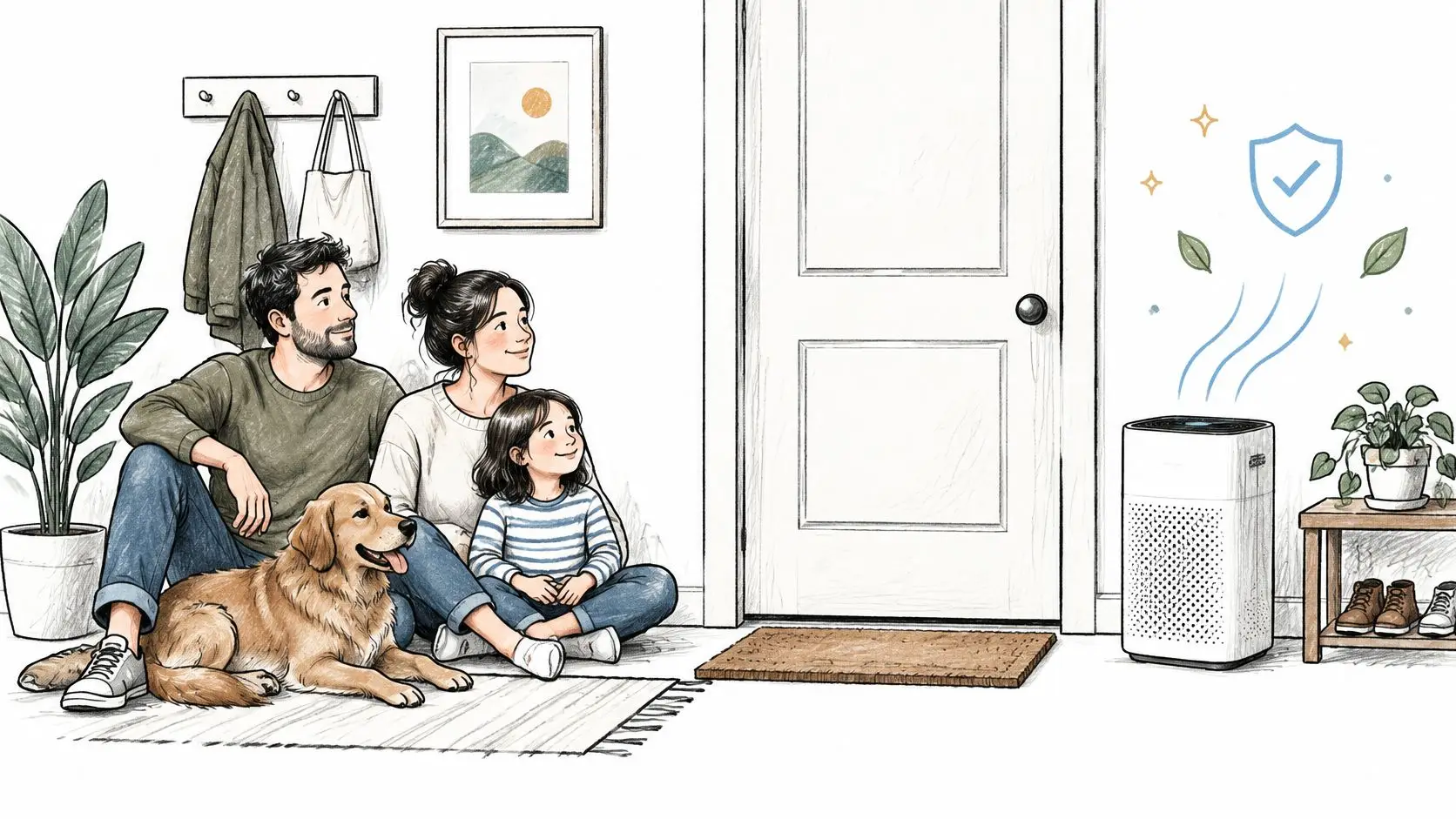
A closed room with filtered air can reduce cross-contamination, though it cannot replace an assessment after an indoor fire. Keep contaminated belongings outside that space.
Once access is safe, ask about securing damaged openings and replacing a visibly soot-loaded filter. Avoid restarting damaged equipment, and do not assume a fresh filter makes contaminated ductwork safe.
If residue has reached ducts, insulation, or several rooms, contact Restore Heroes at 480-690-5277 to discuss inspection options. Availability, scope, pricing, and outcomes vary by property and are determined after assessment.
The wrong cleanup method can carry residue past the burned room and into places that looked fine at first. More scrubbing doesn’t necessarily mean cleaner surfaces after smoke damage.
Mistakes That Make Smoke Damage Worse
Think of a small kitchen fire: one stained wall, a sooty return grille, and a filter that is already loaded. If the central fan kicks on, that residue can ride through supply vents and settle in rooms nowhere near the flames.
The same thing happens when oily soot meets a dry cloth. Instead of lifting, it smears into paint or drywall, and smoke residue can work into porous materials, which is why surface cleaning alone insufficient is such a common outcome.
Homeowner Moves Versus Safer Choices
Most bad outcomes come from moving fast with the wrong tool: force spreads residue, fragrance hides it, and airflow decides where it lands next.
| Common Move | What Can Go Wrong | Safer Choice |
|---|---|---|
| Scrubbing soot hard | Smears oily deposits | Stop and assess the finish |
| Using an ordinary vacuum | Recirculates fine particles | Use suitable high-efficiency filtration |
| Opening every window | Draws soot toward cleaner rooms | Plan controlled ventilation |
| Spraying fragrance | Hides odor temporarily | Locate contaminated materials |
| Applying bleach everywhere | May damage finishes | Select material-compatible cleaning |
If the room smells better but the residue map has not changed, treat that as a warning. The next move should match the residue and the material, not the urge to make the place feel normal.
Avoid Masking Smoke Odors
Air fresheners and candles can make a space seem handled while residue stays in carpet, cabinets, and insulation. Odor masking leaves the source in place, and bleach will not pull contamination out of porous goods.
A better smell isn’t evidence that smoke contamination is gone.
Before reaching for another product, check the plan:
- Stop if wiping spreads dark streaks.
- Avoid using scented products to judge progress.
If residue is widespread, the air still smells sharp, or wiping keeps making marks, pause cleanup and limit access. Call Restore Heroes for an assessment before more soot gets pushed deeper, spread through airflow, or sealed under the wrong cleaner.
Professional smoke cleanup begins with a thorough building assessment before anyone touches a cleaning product.
How Professional Smoke Cleaning Works
Once the property is safe to enter, an IICRC-certified crew traces where the smoke actually went. They split the job into three buckets: structural surfaces, personal belongings, and HVAC components. That initial map explains why your kitchen might need one treatment while the bedroom two doors down needs something else entirely.
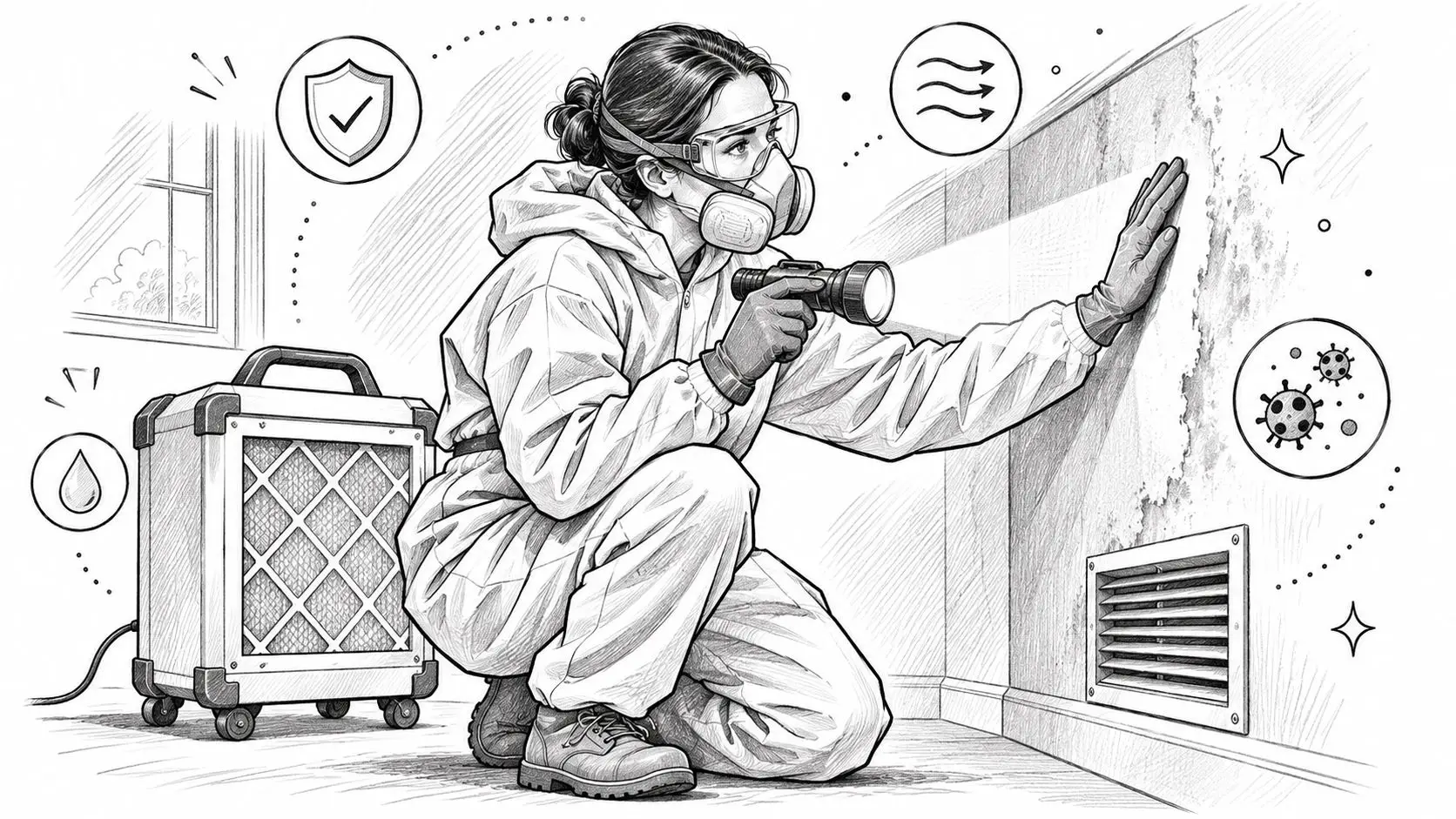
From there, crews seal off the affected zones, clear loose debris, and run air filtration to grab particles kicked up during the work. Only after that do they pick their cleaning methods, matched to both the residue type and whatever material sits underneath it.
- Hard surfaces often get treated with specialized detergents applied carefully enough to protect the finish.
- Soft goods usually leave the room entirely for separate contents cleaning.
- Insulation and cabinetry sometimes have to come out when contamination has soaked in too deep to clean properly.
That last point matters more than people realize. Porous materials trap residue below the surface, and no amount of wiping fixes that. This rundown of what professionals may salvage after smoke damage shows why glass and metal tend to have better outcomes than saturated upholstery.
Ask what needs cleaning, what needs removal, and how each decision will be documented.
Adapt the Plan to the Building
Picture a kitchen fire in Phoenix where smoke has worked its way inside the cabinets. A solid assessment separates washable surfaces from absorbed residue before anyone signs off on repainting or replacement.
A commercial space brings different headaches. Smoke that settles above a suspended ceiling means the ceiling plenum, stored contents, and HVAC components all need attention, and the scope grows well beyond what customers can see.
Before work starts, get two things sorted:
- A written scope that splits cleaning, contents handling, and removal into separate line items.
- A clear explanation of how odor sources get handled before repairs begin.
On the commercial odor side, the Renue Systems Four Points odor guide adds useful context worth reading.
Restore Heroes handles residential and commercial restoration jobs that may include mitigation, cleaning, odor removal, repairs, and reconstruction. Ask about their process for coordination and documentation during assessment.
Take a look at the fire damage restoration process, then reach out to Restore Heroes to discuss assessment options. Talking through your property's cleaning priorities before approving repairs may help limit further issues later.
Air cleaning and surface cleaning tackle separate jobs, and confusing them is why smoke odor so often comes back. A purifier can lower particle counts in a room, yet it cannot pull soot off drywall, freshen clothing, or remove residue already lodged in ducts.
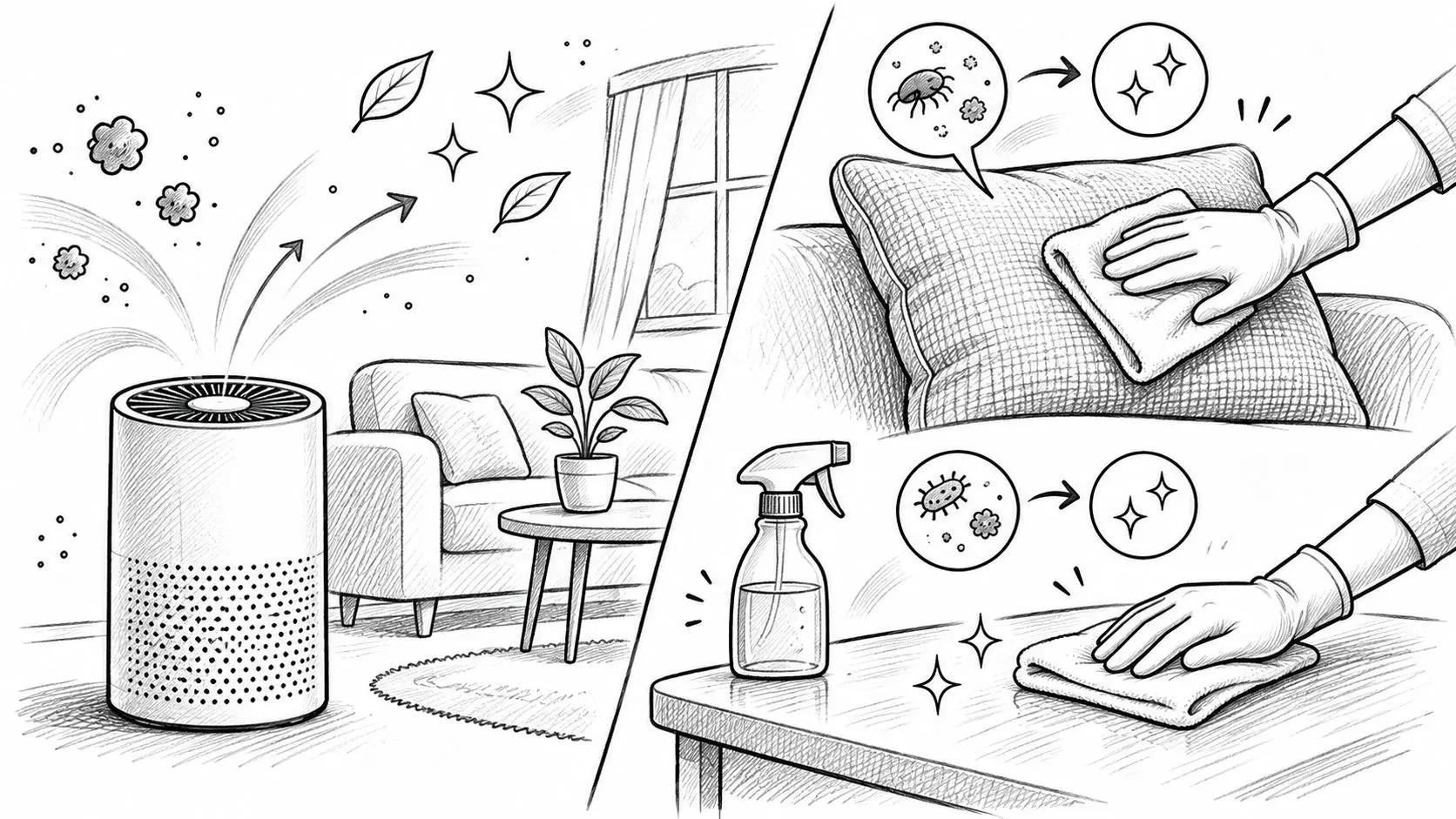
EPA guidance points to MERV 13 to 16 filters and portable cleaners that do not produce ozone. In practice, keep filtration running in the rooms people are using and check filters often, since smoke can load them quickly.
Match the Method to the Material
Sealed hard surfaces, painted walls, carpet, upholstery, clothing, and cabinetry all hold smoke in different ways. Porous materials pull soot and odor deep into their fibers, which is why surface cleaning alone is often insufficient.
- Work from lighter areas toward heavier ones so residue does not get dragged into cleaner zones.
- Check return grilles, supply vents, and filters before the HVAC system runs for long stretches.
- Bag sooty belongings where they sit, and avoid shaking them out in a clean room.
Think of a couch that seems fine until someone pats the cushion and a puff of smell rises. That odor was hiding in the padding, away from the fabric that got wiped.
Particles in the air and residue on materials are separate problems, and each one needs its own treatment.
Handling Contents With Care
Pack-outs are where cross-contamination usually happens. Bag items in place, carry them out through the least-damaged path, and let a professional decide what is salvageable and what is not.
For deeper wall work, see our guide on how to clean soot from walls.
For homeowners in Phoenix, Mesa, Scottsdale, Chandler, Gilbert, and nearby areas, Restore Heroes pairs air scrubbing with source removal and content cleaning, so the air and the materials both get attention.
Light smoke damage can sometimes be contained with careful cleanup, but once the contamination spreads, it's time to bring in a professional for a proper assessment.
When to Call for Phoenix Restoration
Reach out right away if any of these warning signs show up:
- Soot in multiple rooms, not just one contained area.
- Odor coming back after wiping, which usually means residue is still hiding somewhere else.
- Coated HVAC components or leftover water from firefighting efforts.
- Breathing trouble indoors — leave the space and get medical help instead of pushing through cleanup yourself.
Take a rental kitchen fire as an example. If soot has drifted into the neighboring unit, you need one coordinated assessment. Separate cleaning efforts just push residue back and forth between units.
Commercial properties, rentals, and homes waiting to be sold also benefit from clear condition records. Photograph the affected areas safely, and jot down which rooms, belongings, and building systems need a closer look.
Document the extent of the loss before authorizing cleanup or repairs.
For property managers, landlords, and adjusters, working with a single coordinated team often makes life easier. Fewer handoffs means simpler communication during an already stressful situation.
Request a Coordinated Restoration Assessment
Restore Heroes can assess, stabilize, and perform restoration work to help limit further loss, including any related water, mold, or disaster damage. Services, timing, pricing, and results depend on inspection findings and agreement terms.
Take a look at their Phoenix smoke remediation services, then contact them through the contact form or by calling 480-690-5277. Choose Fire & Smoke Damage and describe the affected rooms.
Once cleanup gets underway, the same handful of questions tend to surface. Here are quick answers that cover the gaps without rehashing the whole process.
Is It Safe to Sleep in the House After Smoke Damage?
If you're dealing with heavy soot, a stubborn smell, or any breathing irritation, find somewhere else to stay until a professional has checked the air and surfaces. Smoke residue is often oily, acidic, and toxic, which means a room that looks clean isn't necessarily safe to sleep in.
Can Regular Household Cleaners Remove Smoke Film?
Some common detergents just push the residue around rather than lifting it. If the film feels oily or stretches across a large area, specialized cleaning will do far more than whatever's sitting under your kitchen sink.
Will an Air Purifier Get Rid of Smoke Odor?
A purifier helps with particles still floating around, but it can't touch residue that's already settled into fabrics, walls, and ductwork. When odor has worked its way deep into porous materials, it's worth learning how thermal fogging odor removal treats the problem at its source.
How Fast Should Cleanup Start?
Acidic and oily residues can bond with finishes in a matter of days, so stabilization and a professional assessment shouldn't be put off. Acting quickly may limit the damage, though outcomes for any single item vary.
Every answer here circles back to the same four pillars: containment, filtration, source cleaning, and an IICRC-certified inspection whenever damage is hidden or widespread.
Questions about exact pricing, insurance approval, or guaranteed outcomes are left open deliberately. No general guide can promise those results for your specific property.
If smoke damage has moved beyond a single room or the smell keeps coming back, Restore Heroes offers inspections and estimates for homeowners throughout the Phoenix metro. Request service through the contact form at restoreheroesaz.com or call 480-690-5277 and select Fire & Smoke Damage to discuss next steps.